
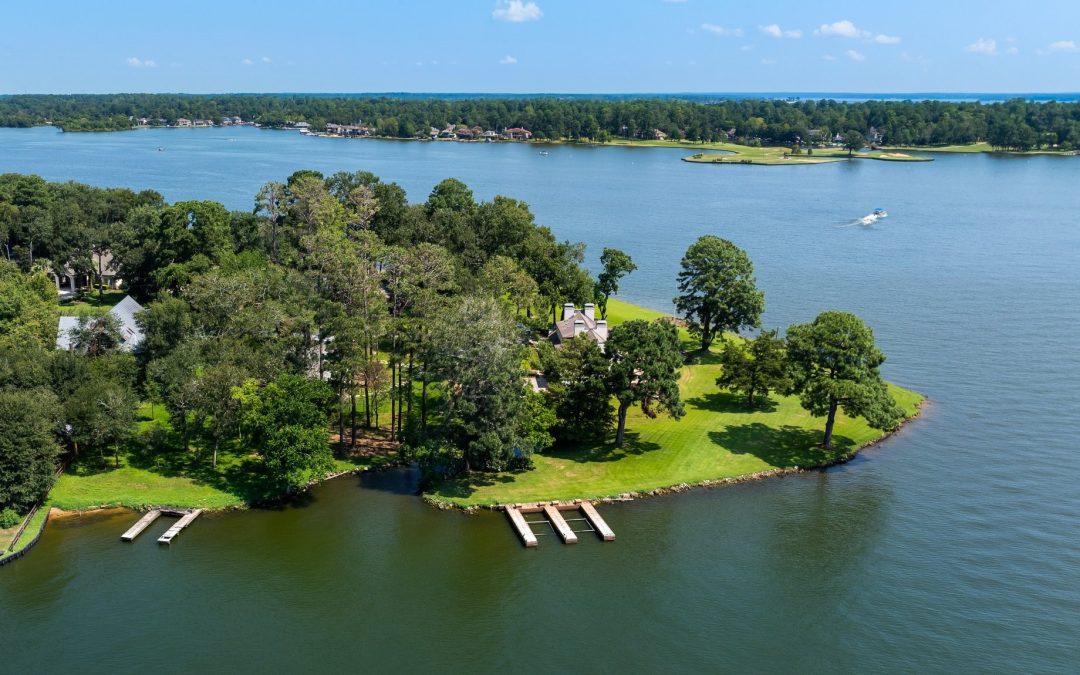
Buying a waterfront home feels exciting, but it takes more planning than a standard house. Lake Conroe waterfront homes with private docks offer daily lake access, boat days, and beautiful views. They also come with extra rules, costs, and maintenance that catch buyers off guard. Knowing how the lake works helps you avoid surprises and buy with confidence.
What Makes Lake Conroe Waterfront Properties Unique
Lake Conroe is not a set-it-and-forget-it lake. Water levels change throughout the year, which affects shorelines and docks. Some homes sit on quiet coves, while others face open water with more boat traffic. Many Lake Conroe waterfront homes serve as primary residences, while others work better as a vacation home, so daily use really matters.
Tip 1: Know the Difference Between Open Water and Cove Locations
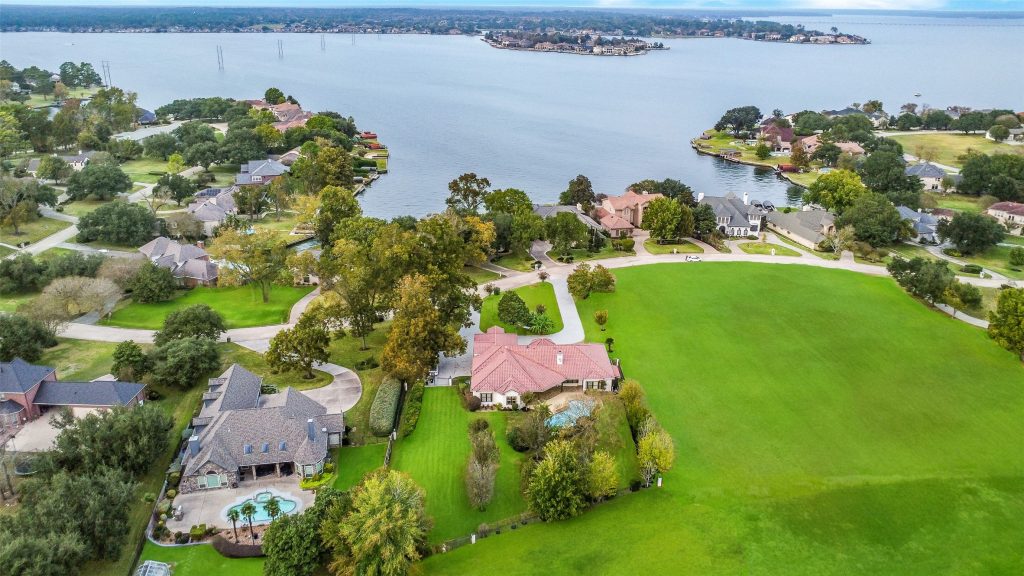
Where a home sits on the lake can change everything about daily life and long-term upkeep. Open water and cove locations each offer unique experiences, and knowing the differences can help families and frequent boaters pick the spot that fits them best.
Homes on open water give you wide, sweeping views and that classic lake feel. The tradeoff is more boat traffic, waves, and noise, which can affect everything from dock use to shoreline maintenance.
Cove locations, on the other hand, offer calmer water and a more sheltered vibe. They often feel safer for kids and pets, and the gentler conditions make docks easier to use and the shoreline easier to manage over time.
Tip 2: Evaluate the Shoreline and Water Depth
Water levels rise and fall during the year, so shoreline conditions matter more than they first appear. A shoreline that looks fine today could need work later if erosion shows up. Bulkheads and retaining systems help protect the property long term.
Water depth also affects how you use your boat. Shallow areas may limit larger boats or boat lifts during low-water periods. Waterfront homes with boat slips need enough depth to keep boats safe year-round.
Look for signs of erosion like exposed roots or leaning bulkheads. These repairs can add real costs after closing if missed during inspections.
Tip 3: Confirm Dock Type, Size, and Condition
Not all docks are built the same, and that makes a big difference for daily use and long-term upkeep. Knowing exactly what you’re getting can prevent costly upgrades or surprises after closing. Here’s a detailed look at key dock features to check before buying:
| Dock Feature | What to Check | Why It Matters | Additional Considerations |
|---|---|---|---|
| Dock Type | Fixed or floating | Affects water level changes | Floating docks rise and fall with water, fixed docks are more stable but may need adjustments for fluctuating lake levels |
| Electrical | Power outlets, lighting | Safety and boat lift operation | Check wiring condition, GFCI outlets, and outdoor-rated fixtures |
| Boat Lift | Size and condition | Protects boat and keeps it accessible | Ensure lift fits your boat type and weight; check for wear or rust |
| Seating | Benches, platforms, or built-ins | Enhances lifestyle and resale value | Built-in seating can be a bonus for entertaining, removable benches offer flexibility |
| Surface Material | Wood, composite, or aluminum | Durability and maintenance | Composite resists rot and splintering; aluminum is low-maintenance and long-lasting |
| Railings & Safety | Presence and sturdiness | Prevents accidents and improves usability | Especially important for families with kids or pets |
| Storage | Built-in lockers or space | Keeps gear organized | Useful for life jackets, fishing gear, or water toys |
Tip 4: Review Dock Permits and Lake Regulations
Dock rules on Lake Conroe can affect how you use the property now and in the future. Before moving forward, make sure you understand what is allowed, what transfers with the home, and what may require approval later.
Regulations to review may include:
- HOA deed restrictions for what type of dock or cover is allowed in that area
- Permit restrictions that limit dock size, placement, or layout
- Approval requirements for future repairs, upgrades, or expansions
Tip 5: Inspect Waterfront-Specific Maintenance Needs
Waterfront homes deal with moisture, sun, and wave exposure daily. Exterior materials wear faster than inland homes. Decks, railings, and siding need regular care to stay safe and attractive.
Docks also require upkeep. Electrical systems, boat lifts, and walkways need inspections to prevent damage or safety issues. Ignoring dock maintenance often leads to higher repair costs later.
Shoreline systems like bulkheads protect both the home and the dock. Catching small issues early helps control long-term expenses.
Tip 6: Consider Safety for Family and Guests
Waterfront living is fun, but it comes with extra responsibility. Protecting kids, pets, and visitors who may not be familiar with the lake starts with planning safety features on the dock and surrounding areas. Here are five key things to consider adding:
- Railings: Provide support and prevent accidental falls, especially for children and guests.
- Non-Slip Surfaces: Reduce the risk of slips on wet docks and walkways.
- Lighting: Ensure the area is visible and safe during evening or nighttime use.
- Life Rings or Floatation Devices: Offer quick access in case someone ends up in the water unexpectedly.
- Clear Sightlines: Maintain visibility for swimmers, kayaks, and nearby boat traffic to avoid collisions.
Tip 7: Understand HOA and Community Guidelines
Many waterfront neighborhoods have HOAs with dock rules. Some control dock appearance, size, and even boat types. Others restrict boat storage or private docking practices.
Fees may also apply for waterfront amenities. Communities like April Sound, Bentwater, and Point Aquarius often offer extras like boat slips at their marina. These amenities add value but also add monthly costs.
Understanding HOA rules and fees upfront helps avoid conflicts after closing and supports long-term livability.
Tip 8: Compare Waterfront Neighborhoods Around the Lake
Not all Lake Conroe boat access homes feel the same. Different areas bring their own vibe, amenities, and lifestyle, so knowing what each neighborhood offers can help you pick the right fit. Here’s a more detailed look at common types of waterfront neighborhoods:
| Area Type | Feel | Best For | Amenities & Features | Traffic & Noise Level |
|---|---|---|---|---|
| Gated communities | Quiet and secure | Full-time living | Controlled access, private docks, community pools | Low, minimal outside traffic |
| Resort-style areas | Active and social | Vacation use | Marinas, restaurants, recreational facilities | High on weekends and holidays |
| Residential pockets | Calm and private | Family homes | Single-family homes, private yards, limited public access | Low to moderate, peaceful most days |
| Lakefront subdivisions | Mixed, neighborhood-focused | Families or retirees | Shared amenities, parks, walking trails | Varies by size and layout |
| Cove enclaves | Sheltered and serene | Boaters seeking calm water | Private docks, shallow coves, quieter boating | Minimal, usually protected from main lake traffic |
Tip 9: Think About Lifestyle, Not Just the View
The view might catch your eye, but how the home fits your lifestyle is what really counts. A lake house should work for your daily routine, not just look good on a sunny weekend. Things like easy access to groceries, schools, and errands, enough storage for boats and gear, and realistic dock use all shape how enjoyable life will be there.
How Boat Traffic and Weekends Affect Living
Boat traffic and weekend activity can change the vibe completely. What feels peaceful on a Tuesday afternoon might feel crowded and loud on summer weekends. Weekdays and off-season months are usually much calmer, and some coves or protected areas stay quieter even when the lake is busy.
Year-Round Living vs. Part-Time Use
Not every waterfront home works well for full-time living. Winter maintenance still matters, even when the lake slows down, and security becomes more important if the home sits vacant for long periods. Neighborhoods with more full-time residents tend to feel more stable and comfortable year-round, so consider how the home fits your lifestyle beyond just summer weekends.
Tip 10: Work With Professionals Who Know Lake Conroe
Waterfront real estate comes with details that inland homes do not. Local experience helps spot issues early. Dock rules, shoreline conditions, and HOA limits all affect value and use.
Small details can create big problems if overlooked. A dock permit issue or shoreline concern can delay closing or add unexpected costs. Knowing where problems usually appear makes the process smoother.
Working with lake-savvy professionals helps protect both lifestyle and investment from day one.
Why Local Knowledge Makes a Difference
Lake Conroe has specific rules that do not apply everywhere else. Understanding dock permits, usage rights, and lake regulations helps buyers avoid mistakes. These details often differ by neighborhood and shoreline type.
Local insight also helps identify problem areas before closing. Some sections deal with erosion more than others. Others see heavier boat traffic that affects daily comfort.
Dock evaluations and waterfront inspections require experience. Knowing what to look for saves time, money, and stress.
Final Pre-Purchase Checklist
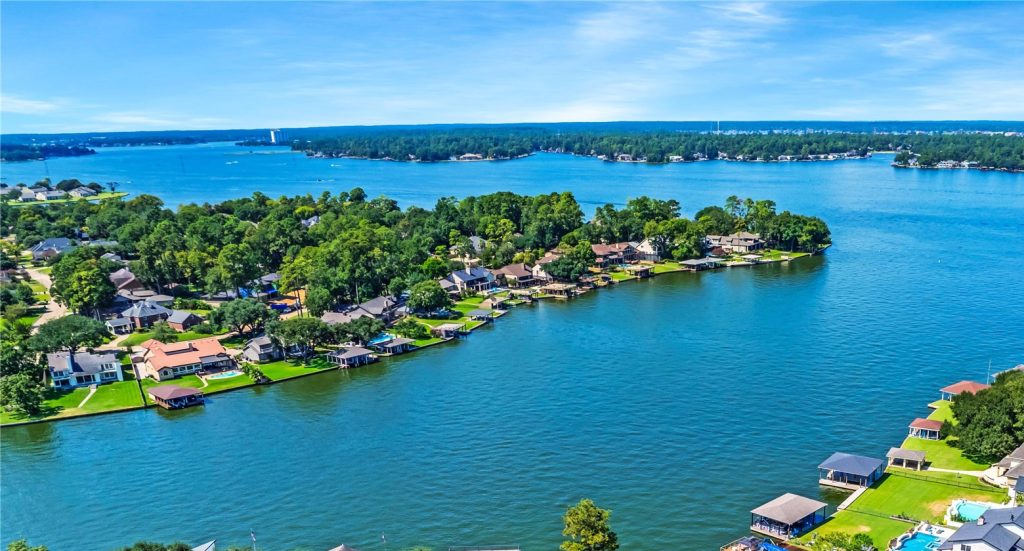
Buying Lake Conroe waterfront homes with private docks goes much smoother with a careful final review. A few last checks can help prevent surprises after closing and give you peace of mind moving forward. This step helps make sure the home, dock, and lake access all line up with how you plan to live.
- Dock condition and permits confirmed: Verify the dock type, size, and overall condition. Confirm permits and any restrictions on repairs or upgrades.
- HOA rules fully reviewed: Review HOA guidelines that affect docks, boat storage, and waterfront use. Make sure fees, rules, and future limitations align with your lifestyle.
- Insurance and maintenance costs understood: Confirm insurance coverage for the home, dock, and boat. Budget for ongoing bulkhead, dock, and exterior maintenance to avoid unexpected expenses.
Lake Conroe Waterfront Homes With Docks FAQs
Can you build or modify a private dock on Lake Conroe?
Dock rules depend on the property location, existing permits, and community guidelines. Some changes require approval from the lake authority, the HOA, or both before work can begin. Older docks may be grandfathered in, but they often still come with limits on size, layout, or future upgrades.
Do waterfront homes require special insurance?
Yes, insurance coverage for waterfront homes often differs from standard homeowner policies. Flood risk, liability exposure, and storm-related damage all play a bigger role near the water. Many buyers add coverage for docks, boats, and water-related structures to stay protected.
Are private docks included in the property sale?
Not always, which is why confirmation matters before closing. Some docks transfer with full ownership, while others only transfer usage rights tied to a permit. Reviewing permits, surveys, and title details helps avoid confusion after the sale.
Is waterfront maintenance more expensive?
Yes, waterfront homes typically have higher maintenance costs than non-waterfront properties. Exposure to moisture, sun, and waves causes faster wear on docks, bulkheads, and exterior materials. Regular inspections and routine upkeep help control long-term expenses.
What’s the best location on Lake Conroe for a private dock?
Coves usually offer calmer water, less boat traffic, and easier docking conditions. Open water locations provide wide views but come with more waves and noise. The best location depends on boat size, how often you use the dock, and your comfort with lake activity.
Buying a Lake Conroe Waterfront Home With Confidence
Buying Lake Conroe waterfront homes with private docks goes smoother when you plan ahead and know what to expect. Learning how the lake works helps protect both your lifestyle and your investment over time. The right waterfront home should support daily living, weekend fun, and long-term value without added stress.
As Lake Conroe real estate experts, we help you understand dock rules, shoreline details, and neighborhood differences that affect real life on the water. We focus on matching you with a waterfront home that fits how you boat, relax, and use the lake year-round. How do we know? Because for 13 years, we’ve lived on this lake, too!
If you’re ready to explore waterfront homes on Lake Conroe, contact us today to get started.